
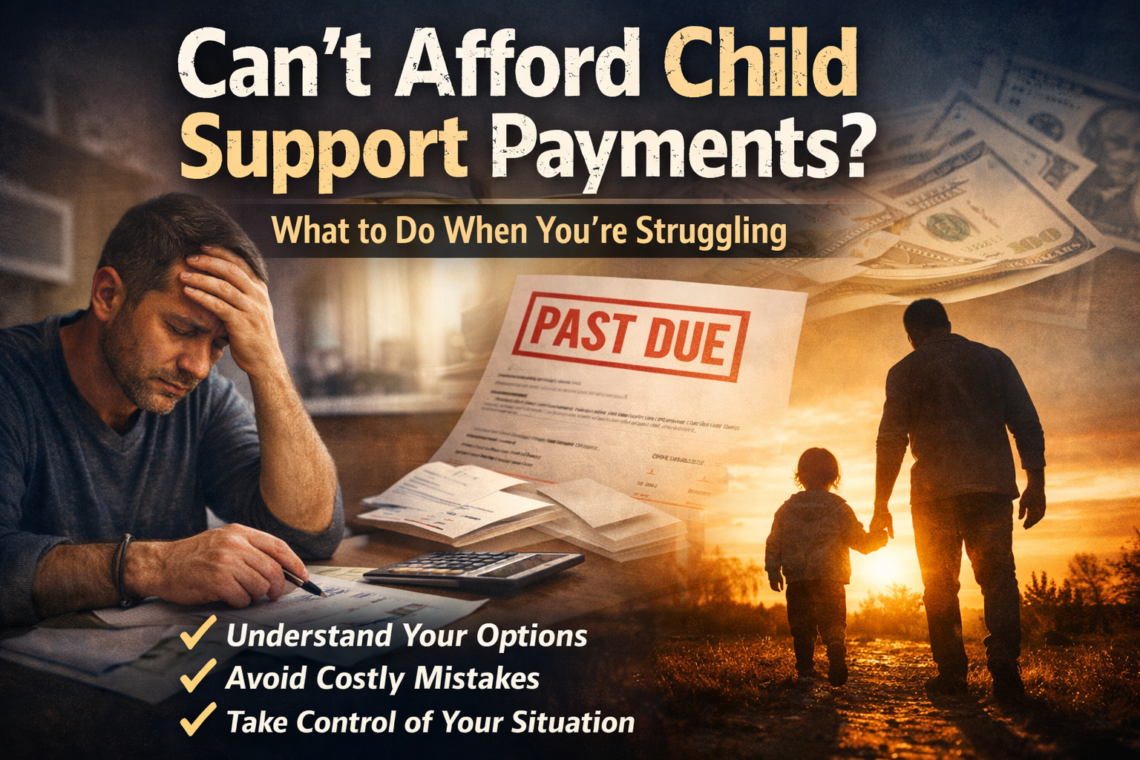
Introduction When the Numbers Don’t Add Up
There’s a quiet panic that hits when you open your bank app and realize the math just doesn’t work anymore. Rent is due. Groceries are higher than ever. And yet the child support payment is still expected on time, every time.
If you can’t afford child support payments, you’re not alone, even though it can feel isolating and shame-filled. Many parents I’ve spoken with describe the same knot in their stomach: wanting to do right by their child while drowning financially.
Still, there is clarity ahead. This article will help you understand what’s happening, what mistakes to avoid, and what practical steps can actually improve your situation.


Alt text: Parent sitting alone with unpaid bills, overwhelmed by child support financial pressure.
Why This Topic Matters Now — When You Can’t Afford Child Support Payments
The reality is that this issue has become more urgent than ever. Between 2024 and 2026, inflation, housing costs, and employment instability have hit single and divorced parents especially hard.
Meanwhile, child support formulas often lag behind real-world conditions. They don’t automatically adjust when income drops, hours are cut, or unexpected expenses appear. Therefore, parents fall behind not because they don’t care, but because the system moves slowly.
According to recent Statista research, a significant percentage of child support arrears stem from income disruption rather than intentional nonpayment. In other words, struggling parents are increasingly common.
However, misunderstanding the system can make things worse instead of better.
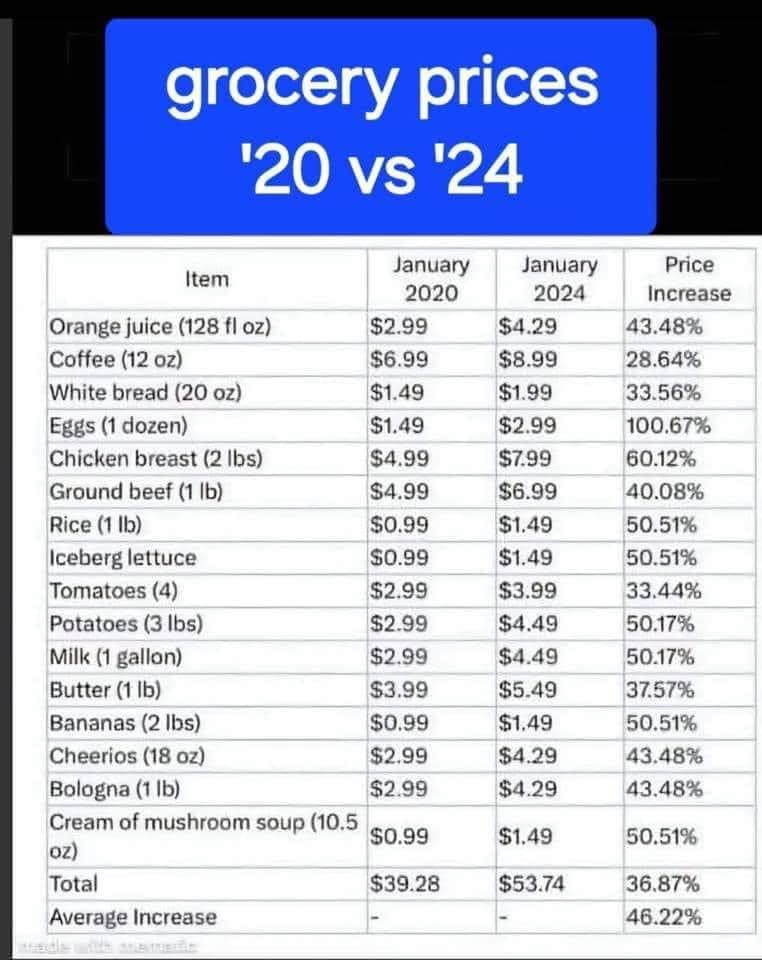
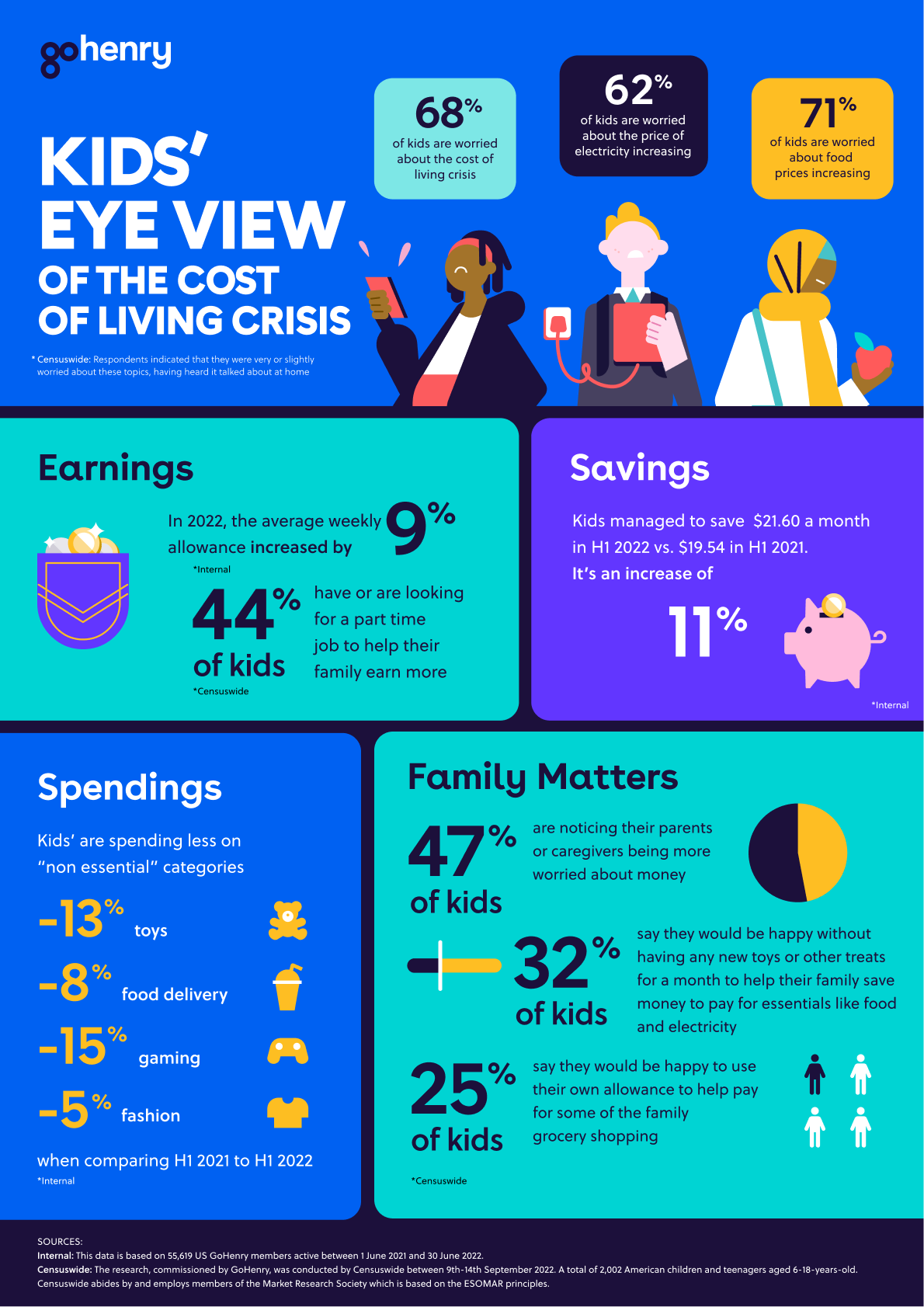
Rising living costs and inflation impacting parents responsible for child support payments.
Common Myths, Mistakes, and Misunderstandings
When money gets tight, misinformation spreads fast. Unfortunately, some beliefs can cause long-term damage.
Common myths include:
- “If I can’t pay, I’ll just wait it out.”
- “The court will automatically adjust my payments.”
- “Talking to my co-parent will only make things worse.”
- “Missing payments isn’t a big deal if I explain later.”
In fact, these assumptions often lead to penalties, interest, or enforcement actions.
Myth vs. Truth Table
| Myth | Truth |
|---|---|
| Child support adjusts automatically | You must formally request a modification |
| Missed payments disappear later | Arrears usually accumulate with penalties |
| Courts punish honesty | Courts often favor documented good-faith effort |
| Silence protects you | Silence is often interpreted as avoidance |
Actionable Tips & Practical Strategies That Actually Help
If you can’t afford child support payments, action not avoidance is your strongest ally.
First, document everything. Keep records of income changes, job loss notices, medical bills, or reduced hours. This evidence matters.
Next, file for a modification as soon as possible. Courts rarely retroactively adjust payments. Consequently, waiting costs you money.
Additionally, communicate carefully with your co-parent. A calm, factual message explaining your situation can sometimes prevent escalation even if it doesn’t change the order itself.
For example:
A father who lost overtime hours filed for modification within three weeks. While the process took months, the court acknowledged his early action and reduced penalties.
Finally, explore support options. Some states offer temporary hardship programs or mediation pathways that parents overlook.



Parent organizing documents and planning steps to manage unaffordable child support payments.
Data, Definitions & Trend Insights
Definition (Quick Clarity):
The legal definition of child support describes it as a court-ordered financial obligation intended to meet a child’s basic needs. According to the Merriam-Webster definition, it is not optional, even during financial hardship.
However, Harvard research shows that rigid enforcement without income-sensitive adjustments can increase long-term nonpayment rather than improve outcomes.
Simple Trend Chart (Conceptual)
Parents Facing Arrears (2018–2025)
2018 | ████
2020 | ██████
2022 | ████████
2024 | ██████████
2025 | ███████████
This upward trend reflects economic pressure, not declining parental responsibility.
Comparison Breakdown — Before vs After Taking Action
Understanding the difference between inaction and informed action can be motivating.
| Before Action | After Action |
|---|---|
| Arrears quietly grow | Payments reflect current income |
| Anxiety and avoidance | Clear plan and documentation |
| Risk of enforcement | Reduced penalties and court trust |
| Feeling powerless | Regaining financial control |
Similarly, parents who act early tend to experience less emotional burnout. Meanwhile, those who delay often feel trapped longer than necessary.
Read More
- When Should I Introduce My Girlfriend to My Kids After Divorce?
- Dating and Relationship Advice Nobody Tells You Until It’s Too Late
- Can’t Afford Child Support Payments: What to Do When You’re Struggling
- I Feel Like I Failed as a Husband After Divorce: How to Move Past Guilt
- My Ex Won’t Communicate About Our Kids: What to Do When They Ghost You
Conclusion — From Panic to Progress
When you’re lying awake at night wondering how you’ll cover everything, it can feel like failure is inevitable. But struggling doesn’t mean you’re irresponsible. It means you’re human.
If you can’t afford child support payments, the most important step is refusing to disappear. Ultimately, clarity replaces fear when you face the situation directly, document your reality, and move with intention.
In the end, taking action isn’t just about money it’s about protecting your future relationship with your child and yourself.



Parent and child walking together, symbolizing hope and stability after financial stress.
If this resonated with you, share it with a parent who’s struggling, or explore related guidance on whatromantor.com for divorce recovery and co-parenting clarity.